Introduction: Finding the Right Hard Water Solution for Your Home
Have you ever cleaned your bathroom taps, only to see white stains return a few days later? Or noticed that your shower is losing pressure, your geyser needs frequent servicing, or your clothes feel stiff even after washing?
These are everyday problems in many Indian homes, and hard water could be one of the reasons.
Finding the right hard water solution is important because the problem goes beyond white marks on bathroom fittings. Over time, mineral deposits can affect pipelines, geysers, showerheads, washing machines and other appliances that use water.
Many homeowners try different cleaning products and plumbing repairs without addressing the underlying water quality.
Ethix Water Conditioner offers a salt-free and chemical-free approach designed to help reduce hard-water scale buildup in household plumbing systems. It can be considered for individual homes, bungalows, apartments and residential societies where scaling is the main concern.
Before choosing any treatment system, however, it helps to understand what hard water is and what different solutions can actually do.
What Is Hard Water?
Hard water is water that contains dissolved minerals, mainly calcium and magnesium.
These minerals enter the water naturally as rainwater and groundwater pass through soil, rocks and underground mineral layers.
Borewell water and other groundwater sources may contain significant hardness, depending on local geology. Tanker water can also be hard, depending on where it comes from.
The minerals themselves are not automatically a health concern. The problem for a household often begins when they react with soap or form hard deposits on plumbing and heating surfaces.
For example, when hard water is heated inside a geyser, calcium carbonate deposits may develop on the heating element and internal surfaces.
Over time, those deposits can affect heat transfer, water flow and equipment performance.
Common Signs That Your Home Needs a Hard Water Solution
Hard water problems usually develop gradually.
A new shower may work perfectly for several months before some of its holes become blocked. A bathroom tap may start developing white marks that become harder to clean. A geyser that once worked efficiently may require more frequent attention.
Some common signs include:
White stains on taps, bathroom tiles and shower glass
Scale deposits around geysers and heating elements
Blocked showerheads and reduced water flow
Soap and shampoo producing less foam
Mineral residue on utensils and bathroom surfaces
Clothes feeling stiff after washing
Repeated plumbing cleaning and servicing
Dry-feeling skin or rough hair after bathing
These signs suggest that testing your water hardness may be worthwhile.
Not every white stain or plumbing problem is caused by hardness alone. Iron, sediment and other water-quality issues can sometimes produce similar complaints.
How Hard Water Can Affect Your Skin and Hair
People often associate hard water with plumbing problems, but bathing comfort is another common concern.
Hard Water and Skin
Have you noticed that your skin feels tight or dry after a shower, even when you use your usual soap?
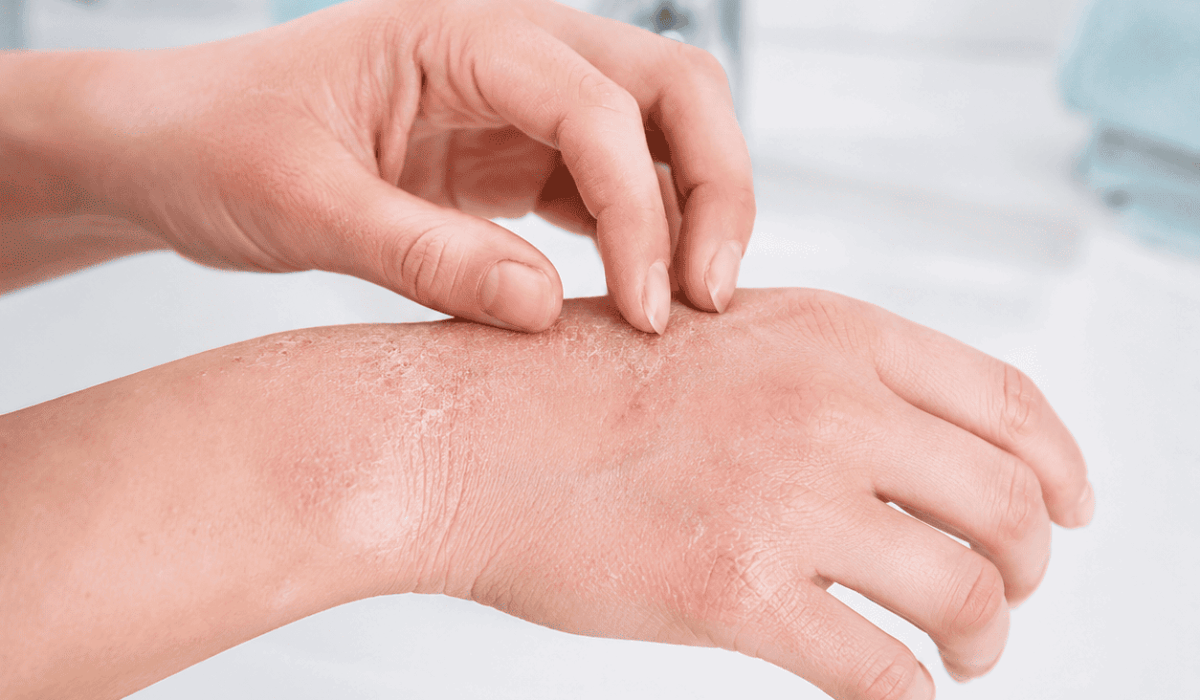
Hard water minerals can react with soaps and cleansers, making them more difficult to rinse away completely. The residue left behind may make bathing uncomfortable for some people.
People with sensitive skin may notice dryness or irritation, although these symptoms can have several causes besides water hardness.
If skin irritation continues, it is important to seek appropriate medical advice rather than assuming water hardness is the only reason.
Hard Water and Hair
Hard water can also leave mineral residue on hair.
Some people notice that their hair feels rough, tangled or dull after regular washing. Shampoo may produce less lather, and rinsing can feel less effective.
Hair texture, shampoo selection, environmental conditions and personal hair care also play a role.
If improving soap performance and the feel of genuinely soft water is your main goal, a salt-based ion-exchange softener may be more suitable than a conditioner.
Ethix Water Conditioner is primarily intended for scale-related problems; it does not remove the minerals that cause hardness.
How Hard Water Damages Plumbing and Home Appliances
The most expensive hard water problems are often the ones you cannot see.
Inside a pipeline, calcium carbonate scale may slowly accumulate on the internal walls. As deposits increase, the available space for water to flow through can become smaller.
The same problem can occur in showerheads, geysers and other equipment.
Scale Buildup in Pipelines
Scale deposits can restrict water flow and contribute to recurring cleaning and maintenance requirements.
Where a pipeline already contains substantial deposits, mechanical or chemical cleaning by qualified professionals may be necessary.
Geyser Scaling
A geyser heats water repeatedly, which makes it particularly vulnerable to certain types of scale.
Mineral deposits on heating surfaces can reduce heating efficiency and contribute to maintenance costs.
Washing Machines and Household Appliances
Mineral deposits can also affect washing machine components, valves and water-contact surfaces.
Hard water may require additional detergent for effective cleaning and can leave residue on fabrics.
For a homeowner, the concern is not only the appearance of white marks. It is the repeated effort and expense involved in keeping the water system working properly.
Which Hard Water Solution Is Best for Your Home?
There is no single water-treatment product that solves every water-quality problem.
The correct choice depends on what is present in your water and what you want to improve.
Salt-Based Water Softener
A conventional water softener uses ion-exchange resin to remove calcium and magnesium from water.
This produces genuinely softened water, which can improve soap lathering and reduce hardness-related mineral deposits.
However, the system usually requires salt for regeneration, a drainage arrangement and periodic servicing.
Salt-Free Water Conditioner
A water conditioner takes a different approach.
Instead of removing calcium and magnesium, it is designed to help reduce the formation or adhesion of scale deposits.
Ethix Water Conditioner belongs to this category.
It does not require salt refilling, resin regeneration or routine backwashing.
RO Water Purifier
Reverse osmosis is used when dissolved-solids reduction or specific drinking-water treatment is required.
An RO purifier serves a different purpose from a water conditioner.
If the concern is drinking-water safety, the first step should be a suitable water-quality test followed by treatment selected for the contaminants identified.
Ethix Water Conditioner: A Salt-Free Hard Water Solution
Ethix Water Conditioner is designed for homeowners who want to address scaling in pipes, bathroom fittings, geysers and other water-using equipment without installing a traditional salt-and-resin softener.
The system is installed on an appropriate water line, allowing water to pass through its conditioning assembly.
The intended purpose is to help reduce hard-water scale deposits in suitable applications.
Unlike conventional ion-exchange softeners, Ethix does not require salt replenishment, resin replacement or regeneration wastewater.
This can make it an attractive option for properties where handling salt and arranging drain connections would be inconvenient.
The system should be selected according to water quality, pipe diameter, pump capacity, water flow and installation conditions.
Important: Ethix Water Conditioner does not remove calcium, magnesium or TDS from water. It is a scale-control solution, not a substitute for a true water softener or drinking-water purifier.
How Ethix 3-Stage Water Conditioning Technology Works
Ethix describes its water-conditioning system as a combination of three stages: electrolysis, electronic frequency treatment and electromagnetic treatment.
Stage 1: Electrolysis
The first stage uses controlled electrical interaction as part of the conditioning process.
It is intended to contribute to the system’s scale-control function.
Stage 2: Electronic Frequency Treatment
The electronic stage uses controlled frequency signals as part of the conditioning process.
Its purpose is to support the treatment of scale-forming minerals as water moves through the unit.
Stage 3: Electromagnetic Treatment
The electromagnetic stage exposes the flowing water to an electromagnetic field.
The intended effect is to influence scale formation and reduce mineral adhesion on water-contact surfaces.
These stages describe the manufacturer’s intended operating principle. Actual scale-control performance depends on the water chemistry, flow conditions, installation and existing deposits.
Benefits of Choosing Ethix Water Conditioner
For suitable domestic installations, Ethix Water Conditioner offers several practical advantages over systems that require ongoing salt regeneration.
Salt-Free Operation: There is no need to store or regularly refill salt bags.
No Chemical Dosing: The system does not require routine chemical addition to the water.
No Regeneration Wastewater: Unlike a traditional regenerating softener, the conditioner does not discharge brine during operation.
No Routine Resin Maintenance: There is no softener resin bed requiring regeneration or replacement.
Designed to Help Reduce Scale Deposits: The main purpose is to help limit scaling problems in household plumbing and equipment.
Suitable for Existing Plumbing: Installation can be planned on an appropriate existing pipeline, subject to site conditions.
Practical for Larger Water Systems: Correctly sized models can be considered for individual homes, residential buildings and common water distribution lines.
The unit does not require regular salt, resin or backwashing maintenance. Basic electrical and installation checks should still follow the manufacturer’s recommendations.
Where Can Ethix Water Conditioner Be Installed?
The best installation location depends on how water is supplied and distributed throughout your property.
In an independent home, the conditioner may be installed at the incoming water line, borewell outlet or another suitable point in the water system.
For residential societies, installation planning should consider the underground tank, overhead tank, pump arrangement, storage time and common distribution pipelines.
For example, a society with a large overhead water tank may require a different installation arrangement from a bungalow supplied directly by a borewell pump.
Ethix offers product ranges for different requirements.
The Ethix Delta Series can be considered for independent homes, villas and bungalows.
The Ethix Delta Plus Series supports larger residential and other high-capacity applications, subject to suitable sizing.
Selecting the model only by the number of bathrooms is not enough. Pipe size, motor HP, flow and water distribution arrangements are important.
How to Choose the Right Hard Water Solution
Before buying any water-treatment system, start with a basic water test.
Many homeowners check only TDS because handheld TDS meters are easy to find. But TDS and hardness are not the same thing.
TDS indicates the overall amount of dissolved substances in water. It does not tell you exactly how much calcium and magnesium are present.
To assess hard water properly, ask for a total hardness test reported in mg/L as CaCO₃.
You can also review our guide on Hard Water vs TDS to understand the difference.
Once you know your water quality, consider your main objective.
If you want genuinely softened water, ion exchange is an established option.
If your main concern is reducing scale buildup in fittings, pipelines and appliances without salt regeneration, a suitable water conditioner may be worth evaluating.
If you are concerned about drinking-water contaminants, choose treatment based on the complete water test report.
For an independent explanation of how hardness affects water and plumbing, refer to the U.S. Geological Survey guide to water hardness.
Frequently Asked Questions About Hard Water Solutions
What is the best hard water solution for a home in India?
The best solution depends on the water test results and your needs. A salt-based softener removes hardness minerals, while a salt-free conditioner is intended to help reduce scale-related problems. Drinking-water treatment may require a separate purifier.
Does Ethix Water Conditioner reduce TDS?
No. Ethix Water Conditioner does not reduce TDS or remove the minerals responsible for hardness. Its purpose is to help reduce scale buildup.
Does Ethix require salt or regular backwashing?
No. Ethix Water Conditioner does not require salt refilling, resin regeneration or regular backwashing. Proper installation and electrical checks are still recommended.
Can Ethix be installed in an existing home?
Yes, installation can be planned on a suitable existing water line. The model and installation point depend on the property’s water supply, pipe size and pump capacity.
Can a water conditioner remove existing scale?
A water conditioner should not be expected to remove heavy existing deposits immediately. Old scale may require separate cleaning, and any improvement over time depends on operating conditions.
Is Ethix suitable for apartments and residential societies?
Ethix has models intended for homes, bungalows and larger residential applications. The correct model must be selected based on the overall water system rather than simply the number of flats.
Conclusion: Choose a Hard Water Solution That Fits Your Needs
Hard water problems often begin with small inconveniences: white marks on taps, blocked shower holes or a geyser that needs cleaning more frequently than expected.
Over time, mineral buildup can become a more serious concern for household plumbing and appliances.
The right hard water solution starts with understanding your water quality and identifying the problem you actually want to solve.
Ethix Water Conditioner provides a salt-free, chemical-free option for suitable homes and residential water systems where reducing scale deposits is the main goal.
It is not a conventional water softener or an RO purifier, but it may be a practical alternative for homeowners seeking scale protection without salt regeneration.
Need help choosing the right Ethix Water Conditioner?
Share your water source, pipe size, motor HP, property type and main hard-water concern with our team.
Emerging Ethix Power Pvt. Ltd.
Toll-Free: 1800-123-6463
Website: https://www.ethixwaterconditioner.com/
Contact the Ethix Team for model selection and installation guidance.