White Stains on Bathroom Tiles: Causes, Cleaning and Prevention
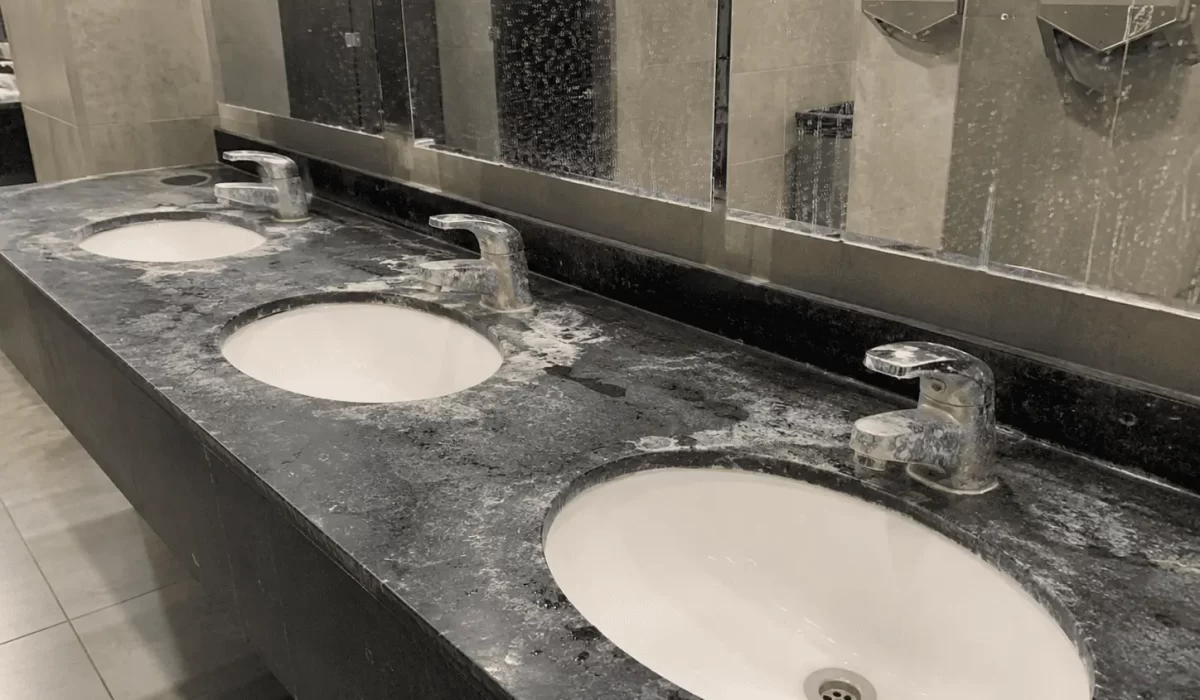
White stains on bathroom tiles often appear when water dries and leaves mineral deposits on the surface. You may notice cloudy patches on wall tiles, chalky marks near taps, white spots on shower glass or a rough layer around fixtures. Hard water is one common reason, but soap residue and grout-related deposits can look similar.
In this practical guide, learn how to identify the stains, clean different tile surfaces safely and reduce recurring hard-water scale. You will also learn where the salt-free Ethix Water Conditioner fits—and what it cannot do.
Quick answer: Clean existing stains with a product suitable for the tile material, rinse and dry the surface, then address repeated mineral deposits. Ethix is designed to help reduce scale formation in suitable water lines; it does not remove the calcium and magnesium minerals from water or lower TDS.
What Causes White Stains on Bathroom Tiles?
Hard water contains dissolved calcium and magnesium. When droplets repeatedly land on tiles, taps or glass and the water evaporates, mineral residues can remain. Over time these deposits can become more noticeable and harder to wipe away. The US Geological Survey guide to water hardness explains why hard water can leave spots and form scale in household equipment.
Not every white patch is caused by hard water. Soap scum can create a dull film, while white powder along grout joints or masonry may be efflorescence, where salts migrate through a damp building material. Identify the likely cause before choosing a cleaner.
Chalky Tile Marks
Mineral spots become visible after water evaporates from frequently wet areas.
Cloudy Shower Glass
Repeated splashes can leave mineral film and soap residue on glass partitions.
Blocked Shower Holes
Scale around small nozzles can interrupt spray and reduce apparent flow.
Geyser and Pipe Scale
Hardness minerals may form deposits in hot-water equipment and plumbing.
How to Remove White Stains on Bathroom Tiles Safely
Before cleaning, check whether the surface is ceramic, porcelain, natural stone, coated glass or a specialty finish. A method that works on one material can damage another.
- Identify the material. Check the tile or fitting manufacturer's care instructions. If unsure, start with a pH-neutral cleaner and a small inconspicuous test area.
- Remove loose dirt. Use water and a soft microfiber cloth or non-scratch sponge to remove surface dust and soap residue.
- Treat the mineral deposit. On compatible ceramic or porcelain surfaces only, use a manufacturer-approved limescale cleaner. Mild acidic products may work on some surfaces, but are not suitable for all tiles, grout or finishes.
- Wipe gently and rinse. Follow the cleaner's instructions; avoid abrasive tools, and rinse thoroughly to remove residue.
- Dry the area. Use a soft dry cloth or squeegee to prevent fresh spots from forming as droplets evaporate.
For additional guidance, see Kärcher India's bathroom limescale cleaning guide.
How to Prevent White Stains on Bathroom Tiles from Returning
Cleaning removes deposits that are already visible. Prevention focuses on reducing the amount of water left on surfaces and understanding your household water quality.
Dry After Showers
Use a squeegee on shower glass and tiles and wipe taps after frequent use.
Use Suitable Cleaners
Clean regularly with products recommended for your tile, grout and fittings.
Check Water Hardness
Use a proper hardness test, rather than relying on a standard TDS pen.
Review Water Treatment
Choose scale management or hardness removal based on the actual goal.
If stains keep returning, learn how to test water hardness at home. Also read our hard water vs TDS guide before choosing a treatment system.
Can Ethix Help Reduce White Stains on Bathroom Tiles?
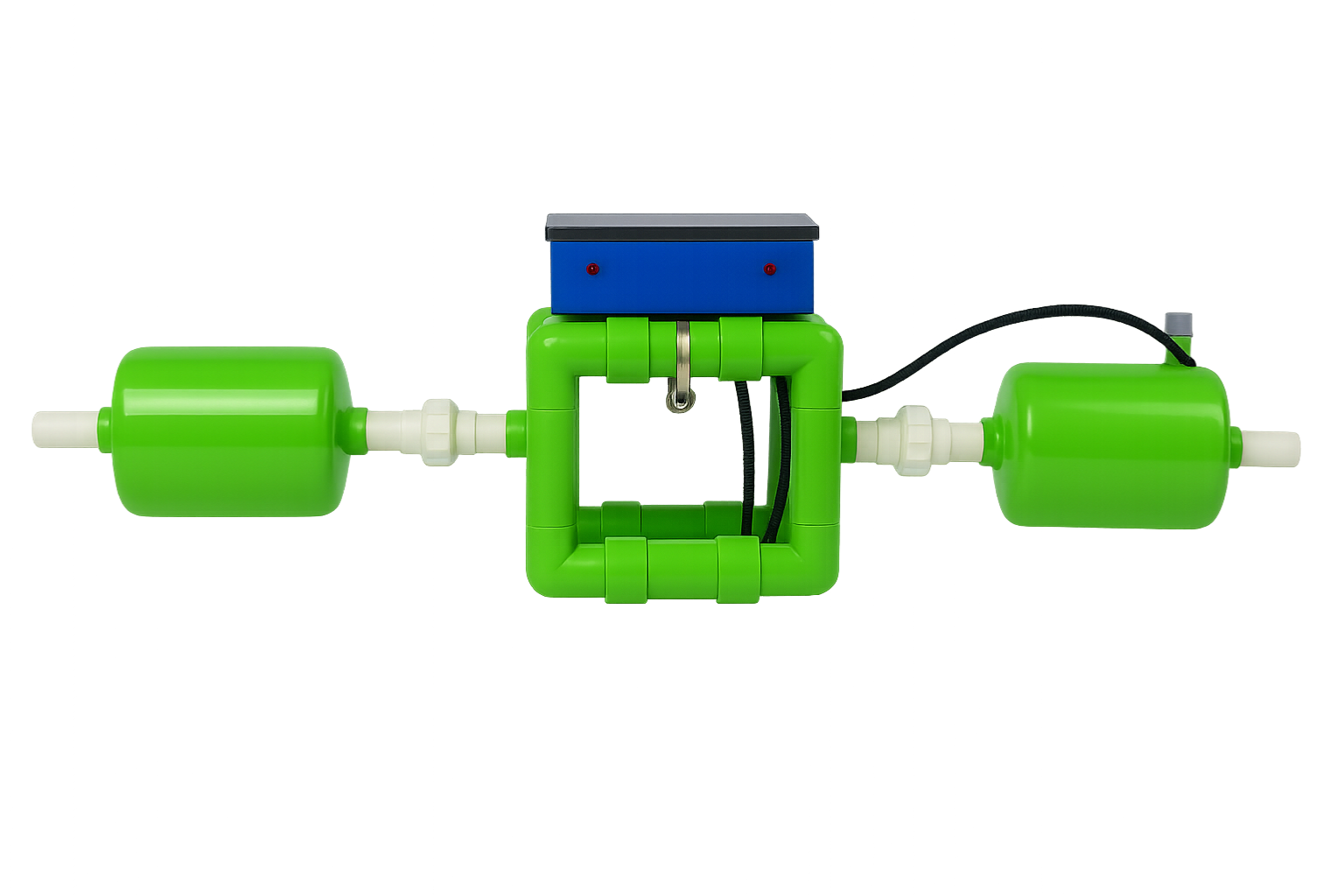
Ethix Water Conditioner is a salt-free, chemical-free water-conditioning device intended to help reduce hard-water scale deposits in appropriately selected plumbing systems. It can be considered when deposits are affecting taps, showerheads, geysers and water lines.
It is not a conventional ion-exchange softener and does not remove dissolved calcium or magnesium. It does not reduce TDS, disinfect water, or clean existing visible tile stains by itself. Existing marks need normal surface cleaning; any reduction in new deposits depends on water chemistry, flow, installation and operating conditions.
For home applications, explore the Ethix Delta Series water conditioner. The product and installation point should be selected from the water source, pipe size, pump capacity and tank arrangement—not simply from a photo of bathroom stains.
Ethix Water Conditioner: Key Benefits for Scale-Prone Homes
Salt-Free Operation
No regular salt refilling or brine regeneration associated with ion-exchange softeners.
Chemical-Free Conditioning
No routine chemical dosing is required for the water-conditioning process.
No Resin Regeneration
No ion-exchange resin or softener-style regeneration cycle.
Designed for Scale Reduction
Aims to help reduce recurring hard-water deposits in suitable domestic plumbing.
Ethix electronic models require a suitable electricity supply and correct installation. Maintenance, inspection and performance needs should be checked against the specific model guidance.
Cleaning vs Water Conditioning vs Water Softening
These methods address different parts of the problem. Choose according to whether you want to remove a stain, reduce future scale or lower the measured hardness of water.
| Method | Primary purpose | What to know |
|---|---|---|
| Surface Cleaning | Removes existing visible deposits | Use only a cleaner suitable for the tile or fixture; stains can return. |
| Ethix Water Conditioner | Intended to help reduce future scale deposition | Salt-free approach; does not lower TDS or remove calcium and magnesium. |
| Ion-Exchange Water Softener | Removes calcium and magnesium hardness from water | Requires salt or another regeneration arrangement and routine upkeep. |
The Water Quality Association's explanation of scale deposits distinguishes physical antiscaling approaches from true water softening.
Where Is Ethix Used?
Depending on model selection and site conditions, Ethix water conditioning can be considered for homes, flats, bungalows, housing societies, hotels and other buildings where hard-water scaling affects plumbing or water-using appliances.
- Bathrooms: taps, showers and water lines with recurring deposits.
- Homes: geysers, washing-machine supply and domestic plumbing.
- Societies: common supply lines and selected tank or pump arrangements.
- Commercial uses: selected water lines subject to technical evaluation.
Read more about hard water problems in bathrooms and how to identify them.
Frequently Asked Questions About White Stains on Bathroom Tiles
Why do white stains appear on bathroom tiles?
They are often mineral residues left behind when hard water dries. Soap scum and grout-related efflorescence can also create white marks, so check the surface and location before assuming the cause.
What is the best way to remove white stains on bathroom tiles?
Start by identifying your tile material, then use a suitable non-scratch cleaner and rinse and dry the surface. Some limescale removers are appropriate for ceramic tiles but may damage marble, limestone, grout or coated fittings.
Will the stains return after cleaning?
They may return if mineral-rich water repeatedly dries on the surface. Drying after use, regular cleaning and evaluating the water supply can help manage recurring marks.
Does Ethix remove existing stains from tile surfaces?
No. Existing surface stains need cleaning. Ethix is designed to help reduce scale deposition in a suitable water system; it is not a bathroom cleaning chemical.
Does Ethix reduce hardness or TDS?
No. Ethix does not remove calcium and magnesium minerals from the water or lower TDS. If your requirement is a measurable decrease in hardness, consider an appropriately sized softening system.
How do I find out whether hard water is causing the stains?
Use a proper total-hardness test on the line feeding the bathroom, and inspect whether deposits appear mainly where water dries. A standard TDS meter cannot confirm calcium-and-magnesium hardness.
Need Help with Recurring Hard-Water Scale?
Share your water source, pipe size, pump capacity and hardness report with Ethix. Our team can help assess whether a water conditioner suits your home or building.
Call 1800-123-6463 Request a Consultation

One thought on “White Stains on Bathroom Tiles? Causes, Problems and Best Hard Water Solution”